When a Rare Disease Meets Scoliosis: Three Patients’ Treatment Journeys at Xinhua Hospital
For some people living with spinal muscular atrophy (SMA), everyday movements such as turning over, lifting their head or sitting upright can be difficult. Progressive muscle weakness may be accompanied by spinal deformity, further affecting daily activities and, in some cases, respiratory function.
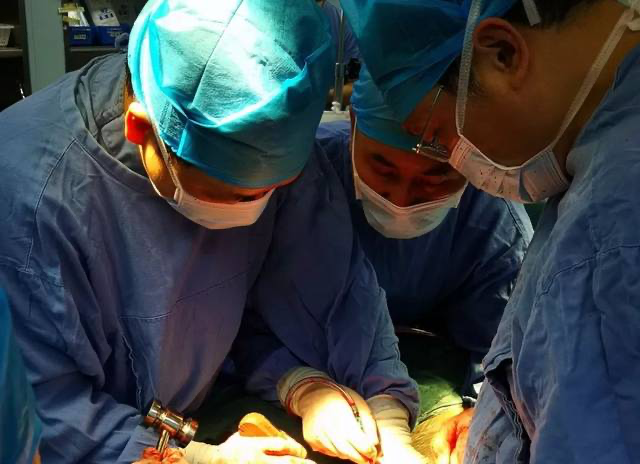
For some people living with spinal muscular atrophy (SMA), everyday movements such as turning over, lifting their head or sitting upright can be difficult. Progressive muscle weakness may be accompanied by spinal deformity, further affecting daily activities and, in some cases, respiratory function.
For patients with SMA and severe scoliosis, treatment requires careful assessment of their individual condition, potential benefits and risks.
In a report published on February 29, 2024, Shanghai Jiao Tong University School of Medicine Affiliated Xinhua Hospital shared the experiences of three patients who underwent spinal deformity correction. Their stories describe changes that mattered deeply to them: sitting more upright, posing beside a partner for a wedding photograph and continuing their education.
Longlong: Sitting More Upright and Supporting Other Patients
Longlong, described as 21 years old in the original report, had SMA complicated by severe scoliosis. His spinal deformity had also affected his cardiopulmonary function.
He had previously undergone more than a year of halo traction treatment at another institution, without substantial improvement. After learning about Professor Yang Junlin’s team at Xinhua Hospital and its experience with similar cases, he sought care there.
Longlong underwent spinal correction surgery in 2020. According to the hospital’s report, his height increased by 10 centimetres after surgery.
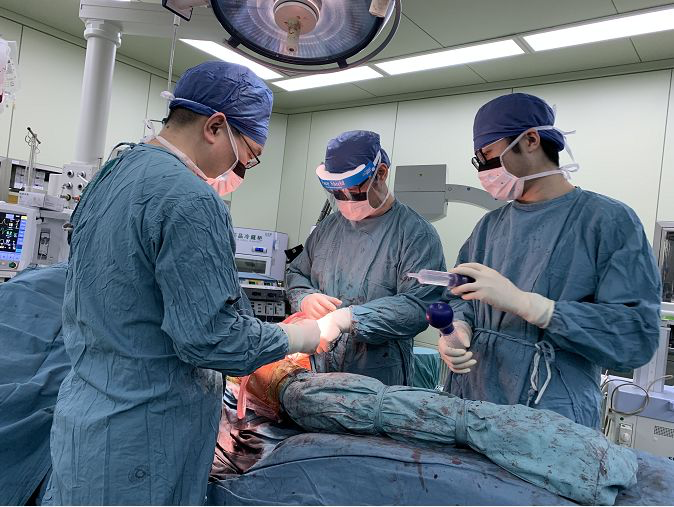
For him, the more meaningful change was an improvement in his sitting posture. Previously, when seated at a restaurant table, only his head extended above the tabletop. After surgery, he could sit more upright, making everyday activities easier.
At a follow-up visit in 2023, the report stated that his condition remained satisfactory.
His treatment experience also encouraged him to support others living with rare diseases. He established a patient support group, shared information and personal experiences, and helped fellow patients explore professional assessment and treatment options. Along the way, he also found love.
Aliang: A Wedding Photograph Beside His Wife
Aliang, described as 36 years old in the original report, had lived for many years with the difficulties associated with SMA and scoliosis. With severely limited movement in his limbs, he relied on an eye-tracking device to carry out his work.
Although he was aware of spinal correction surgery, concerns about its risks had made him hesitant to proceed.
As he prepared to get married, he reconsidered treatment. He hoped to improve his physical condition as he and his partner planned their future together.
Through other patients, Aliang learned about Professor Yang’s team and the experiences of people who had undergone spinal correction. Longlong subsequently helped him contact the team.
Aliang’s physical condition presented considerable surgical and anaesthetic challenges. His bone condition also added to the complexity of the procedure.
In April 2023, Professor Yang’s team, working with other hospital departments, performed spinal deformity correction surgery. The original report stated that the degree of correction exceeded 80%.
Six months after surgery, Aliang fulfilled his wish to pose shoulder to shoulder with his wife for a photograph.
Yangyang: Continuing Her Education
Yangyang, described as 22 years old in the original report, had lived with SMA since childhood. Despite the difficulties she faced, she continued to pursue her education.
During her undergraduate studies, severe scoliosis caused pronounced forward bending of her upper body. Writing became difficult, and her cardiopulmonary function was also affected.
She sought treatment at several institutions but was advised against surgery because of its complexity and associated risks. Through Longlong, she eventually contacted Xinhua Hospital.
In July 2023, Professor Yang’s team performed spinal deformity correction surgery.
According to the original report, her scoliosis angle decreased from 180° to 85°, while her kyphosis angle decreased from 178° to 92°. Following surgery, she was able to sit more upright.
When she was discharged in August 2023, Yangyang received an offer of admission to a postgraduate programme at Beijing Foreign Studies University. The improvement in her physical condition helped her prepare for this next stage of her education.
Recognising the Changes That Matter in Daily Life
For these patients, the significance of treatment extended beyond spinal alignment. It could be seen in everyday experiences: sitting more comfortably, sharing a photograph with a loved one or continuing an education.
Their stories also highlight the importance of access to specialist care, informed decision-making, and understanding and support for people living with rare diseases.
The procedures described in this article were performed to correct spinal deformity; they should not be interpreted as cures for SMA. These individual outcomes do not establish what another patient can expect. Suitability for surgery, potential benefits and risks require assessment by a specialist medical team.
Source: Shanghai Jiao Tong University School of Medicine Affiliated Xinhua Hospital
Original article link: https://www.xinhuamed.com.cn/med/detail-5851.html
Editorial and translation note: This article has been adapted and translated from the hospital report cited above. The title and wording have been edited, and some material has been omitted. Patient names follow the original report. Ages, treatment details and outcomes refer to the information reported at the time of publication and do not represent current updates. This article is provided for general information and does not constitute individual medical advice.
Have questions about this topic?
Submit your case for a written specialist opinion — no obligation to travel.